Stay
Visit a locality browsing the menu on the left. In each Italy area you can then choose the best touristical structures we are proposing.
Most viewed in
Italy
-
Sunland since 1979 is the leading tour operator for ground hanling services on Amalfi Coast, Cilento and Neapolitan Riviera. Sunland is the partner of some of the biggest tour operator world wide. Our attentive staff is at your service for: Hotel accomodation...
-
The Amalfi Coast, suspended between sea and Sky, is a land of an amazing beauty. Our wish, having the pleasure to be your driver/guide, is to share with you the traditions, art, history, landscapes and the beauty that makes this land, " The Divine Amalfi...
-
Self-catering villas and apartments on the Amalfi Coast with pool, access to the sea and air conditioning. Amalfi Vacation owns and manages all the Amalfi Coast villas shown on the website. We are specialists in luxury villas and self-catering apartments...
-
Located on the famous AmalfiCoast drive, a few minutes from the famous town of Amalfi, the Santa Caterina enjoys a panoramic coastal setting of incomparable beauty. The history of this special resort is as impressive as its surroundings. In 1880, Giuseppe...
-
Situated on the last bend of Amalfi's promenade and beach, this hotel is on four levels. Bright and Mediterranean in style, the Marina Riviera is a converted old noble villa. All rooms are spacious & tastefully furnished, and have open windows or balconies...
Print this page
Send to a friend by e-mail
The Carso
-
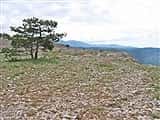
Situated along the eastern Adriatic coastline, the Carso is an area of welldrained and sometimes arid limestone land, today both cultivated and in its natural state. The name, which was introduced at the beginning of the last century by Austrian botanists, comes from the German Karstheide and indicates the hollows used by local farmers for grazing, and also refers to the term gmajna used by the Slovene
inhabitants of the Carso.
The area is host to a wealth of flora, dominated by various grasses, for example sedge (ciperacee). Blossoms begin to appear at the end of February with crocus (Crocus reticulatus), reach their zenith in
spring and end towards autumn with the highly-scented variegated savory (Satureja montana and Satureja subspicata subsp. Liburnica). The most common mammal is the hare while among invertebrates
the most important is the Sagapedo, the largest grasshopper on the Carso. There are reptiles such as the lizard called the green ramarro, the coluber and the horned viper.
The area is the hunting ground for birds of prey such as the kestrel and the buzzard, the harrier, the nightjar and the eagle owl. Nesting birds also include the yellow hammer, the skylark and the shrike.